


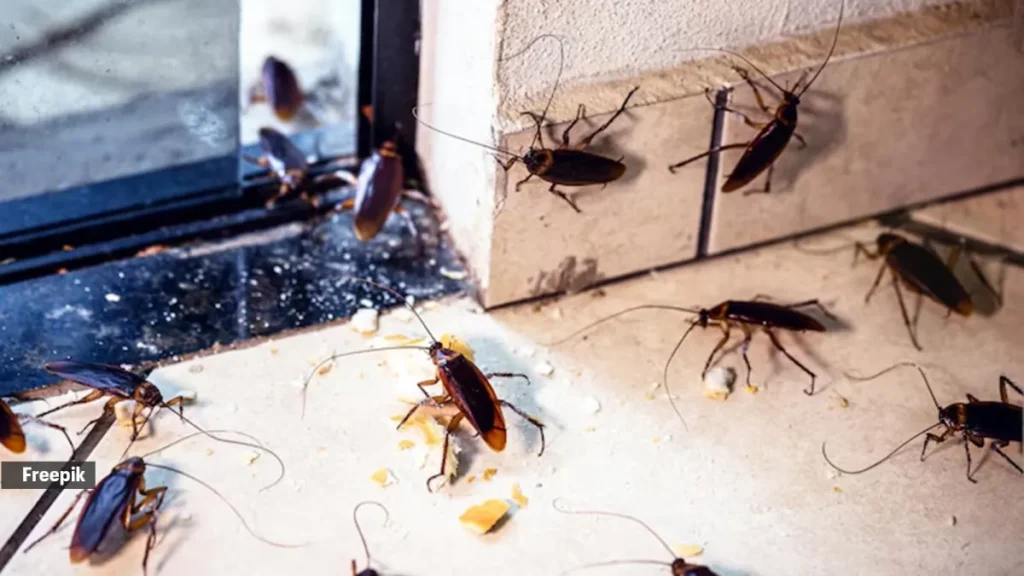
Introduction
Many homeowners assume that pest infestations occur only in neglected or dirty properties. In reality, even clean and well-maintained homes can experience pest problems if certain conditions make the property attractive to insects and rodents. Small everyday mistakes often provide pests with the food, water, and shelter they need to survive and reproduce. Understanding these common errors is an important part of an effective pest control strategy. By correcting simple habits and performing regular maintenance, homeowners can significantly reduce the likelihood of infestations and maintain a healthier living environment throughout the year.
Why Pests Enter Homes
Pests are constantly searching for basic necessities. When a home offers easy access to food, moisture, and shelter, it becomes an ideal location for many unwanted visitors.
The most common reasons pests enter homes include:
- Readily available food sources
- Standing water
- Warm shelter
- Easy entry points
- Cluttered storage areas
- Poor sanitation
Recognizing these conditions is the first step toward successful pest control.
Leaving Food Exposed
Food is one of the strongest attractants for household pests. Even small crumbs or spills can attract insects within a short period.
Common food-related mistakes include:
- Leaving dirty dishes overnight
- Storing dry foods in open packages
- Allowing crumbs to accumulate
- Leaving fruit uncovered
- Feeding pets without cleaning afterward
Keeping food properly stored and cleaning eating areas daily greatly reduces pest activity.
Ignoring Water Leaks
Many pests require moisture to survive. Leaking pipes, dripping faucets, and poor drainage create ideal breeding conditions.
Moisture problems commonly occur in:
- Kitchens
- Bathrooms
- Laundry rooms
- Basements
- Crawl spaces
Repairing leaks promptly is an essential part of preventive pest control.
Allowing Clutter to Build Up
Clutter provides excellent hiding places for pests. Storage areas filled with unused items are often difficult to inspect, allowing infestations to remain unnoticed.
Common clutter locations include:
- Garages
- Attics
- Closets
- Basements
- Storage rooms
Organizing these areas improves visibility and reduces pest hiding places.
Failing to Seal Entry Points
Small openings around a home allow pests to enter easily.
Areas to inspect include:
- Window frames
- Door thresholds
- Foundation cracks
- Roof vents
- Utility pipe openings
- Damaged weather stripping
Sealing these gaps helps prevent insects and rodents from entering the property.
Poor Garbage Management
Improper waste disposal attracts a wide variety of pests.
Avoid these common mistakes:
- Leaving garbage uncovered
- Allowing bins to overflow
- Failing to clean trash containers
- Keeping indoor trash for long periods
Trash should be removed regularly, and containers should always have secure lids.
Neglecting Outdoor Maintenance
Many pest infestations begin outside before spreading indoors.
Outdoor conditions that attract pests include:
- Overgrown shrubs
- Tall grass
- Leaf piles
- Standing water
- Firewood stacked against the home
Regular yard maintenance reduces outdoor pest populations and limits opportunities for pests to move indoors.
Overlooking Regular Inspections
Some homeowners wait until pests become obvious before taking action. Unfortunately, many infestations remain hidden during their early stages.
Routine inspections help identify:
- Rodent droppings
- Mud tubes
- Damaged wood
- Nesting materials
- Pest entry points
Early detection makes pest control faster, easier, and less expensive.
Storing Items Directly on the Floor
Boxes and stored materials placed directly on basement or garage floors create ideal hiding places for pests.
Better storage practices include:
- Using shelving units
- Keeping storage containers sealed
- Leaving space between stored items and walls
- Inspecting stored materials regularly
These habits improve airflow and make inspections easier.
Depending Only on DIY Solutions
Home remedies may temporarily reduce pest activity, but they often fail to eliminate the source of an infestation.
Professional pest control services provide:
- Accurate pest identification
- Thorough property inspections
- Customized treatment plans
- Preventive recommendations
- Long-term monitoring
Combining professional services with good household habits offers the best protection.
Creating Better Daily Habits
Simple lifestyle changes support successful pest prevention.
Helpful habits include:
- Cleaning kitchen surfaces daily
- Vacuuming regularly
- Fixing leaks immediately
- Sealing food containers
- Removing clutter
- Inspecting the home seasonally
Consistency is the key to long-term pest control success.
Conclusion
Many pest infestations begin because of small, overlooked household habits rather than major sanitation problems. Leaving food exposed, ignoring moisture issues, failing to seal entry points, and neglecting regular inspections all increase the risk of attracting unwanted pests. By correcting these common mistakes and following a proactive pest control plan, homeowners can create an environment that is far less inviting to insects and rodents. Preventive action remains the most effective and affordable way to maintain a safe, healthy, and pest-free home.