


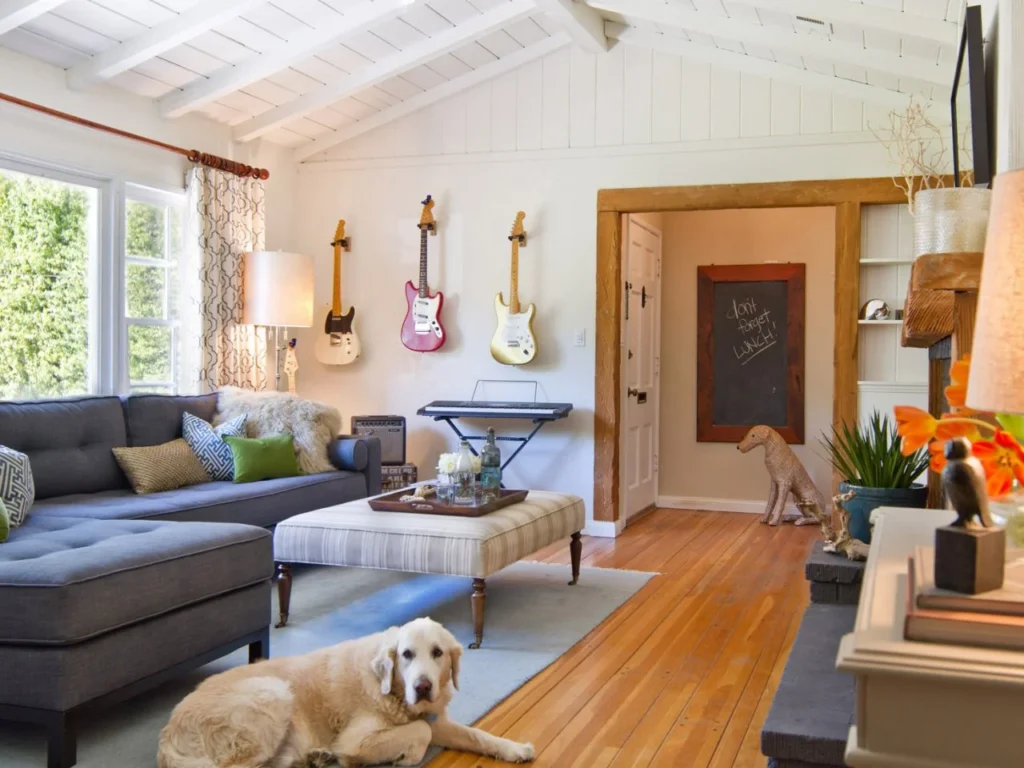
Beautiful homes aren’t meant to be museums. They’re places where people live, relax, eat, play, and occasionally spill coffee. Decorating for real life is about creating spaces that look intentional and stylish while standing up to everyday wear. With smart material choices and thoughtful layouts, you can enjoy a home that feels polished without constantly worrying about damage.
What “Real-Life Decorating” Really Means
Real-life decorating balances aesthetics, durability, and comfort. Instead of chasing perfection, it prioritizes function without sacrificing style.
This approach works especially well for:
-
Families with kids
-
Pet owners
-
People who entertain often
-
Anyone who prefers low-maintenance living
The goal is a home that supports your lifestyle, not one that restricts it.
Choose Materials That Work as Hard as You Do
The foundation of a mess-friendly home starts with smart materials.
Durable Upholstery Fabrics
Opt for fabrics designed to resist stains, fading, and wear. Performance textiles have changed the game by offering softness with strength.
Best options include:
-
Performance velvet – plush but surprisingly resilient
-
Microfiber – easy to clean and budget-friendly
-
Tightly woven cotton blends – breathable and tough
Avoid delicate silks or loose weaves in high-traffic rooms.
Flooring That Forgives
Floors take the most abuse, so durability matters.
Popular real-life flooring choices:
-
Luxury vinyl plank (LVP) for scratch resistance
-
Engineered hardwood for stability
-
Porcelain tile for moisture-prone areas
Layering with washable rugs adds warmth while protecting the surface underneath.
Furniture That Embraces Everyday Chaos
Stylish furniture doesn’t have to be precious.
Slipcovered Seating
Slipcovers offer a clean, tailored look while allowing easy removal for washing. Neutral colors keep them versatile and timeless.
Rounded Edges and Solid Construction
Furniture with soft edges and sturdy frames lasts longer and feels safer in busy homes. Solid wood or metal bases tend to outperform particleboard over time.
Multi-Functional Pieces
Look for furniture that does double duty:
-
Storage ottomans
-
Benches with hidden compartments
-
Coffee tables with drawers
These pieces reduce clutter without adding bulk.
Design With Layout, Not Just Looks, in Mind
A well-planned layout minimizes mess before it starts.
Create Drop Zones
Strategic landing spots keep chaos contained.
Smart places to add them:
-
Entryways
-
Mudrooms
-
Kitchen side doors
Include hooks, baskets, and trays to catch shoes, bags, and keys.
Leave Room to Move
Crowded rooms collect clutter faster. Allow clear walking paths and flexible spacing so the room can adapt to daily use.
Colors and Patterns That Hide Wear Gracefully
Light neutrals look beautiful, but they’re not always practical. That doesn’t mean your palette has to feel dark or heavy.
Real-life-friendly color strategies:
-
Mid-tone shades that mask smudges
-
Subtle patterns that camouflage stains
-
Textured finishes that disguise wear
Mixing solids with patterns adds visual interest while keeping maintenance manageable.
Style Isn’t About Fragility
One of the biggest misconceptions in home design is that style equals delicacy. In reality, well-designed spaces feel inviting, layered, and lived-in.
Use accessories that are easy to refresh:
-
Machine-washable throws
-
Removable pillow covers
-
Affordable accent decor
When something wears out, replacing it doesn’t feel stressful or expensive.
Embrace a Lived-In Look
Homes that handle messes well often share one trait: they feel authentic. Slight imperfections, natural textures, and flexible systems create a sense of warmth that ultra-perfect rooms lack.
Instead of fighting daily life, design with it in mind. The result is a home that looks good on its best days and still works beautifully on its messiest ones.
Frequently Asked Questions
1. Can a stylish home still be kid-friendly?
Yes. Choosing durable fabrics, rounded furniture edges, and washable finishes allows style and practicality to coexist without compromise.
2. What’s the best sofa color for hiding stains?
Mid-tone neutrals like taupe, gray, camel, or soft olive hide wear better than stark white or very dark shades.
3. Are washable rugs worth it?
Absolutely. Washable rugs make it easier to maintain cleanliness in high-traffic areas while preserving visual warmth.
4. How do I keep my home looking organized with pets?
Use closed storage, easy-to-clean floors, and pet-friendly upholstery. Regular grooming and designated pet zones also help reduce mess.
5. Do performance fabrics feel stiff or synthetic?
Modern performance fabrics are designed to feel soft and natural while offering superior stain resistance and durability.
6. How often should slipcovers be washed?
In most homes, washing slipcovers every 1–3 months is sufficient, or sooner if spills or heavy use occur.
7. What’s the biggest mistake in real-life decorating?
Prioritizing looks over function. When a space doesn’t support daily habits, clutter and frustration build quickly.