


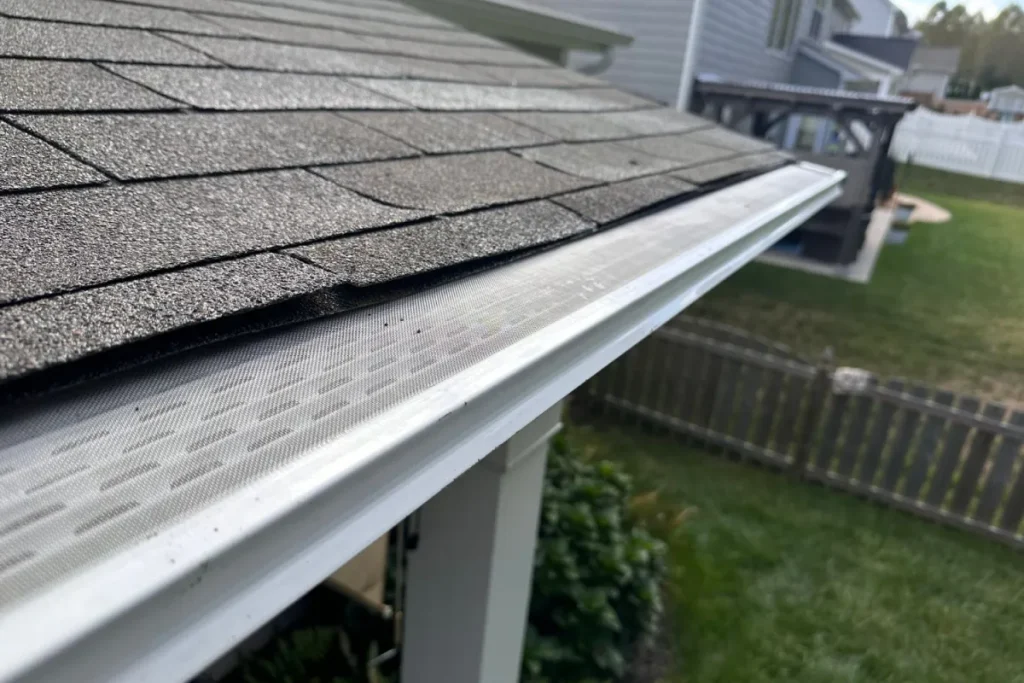
When it comes to roofing, two essential components often come to mind: gutters and shingles. Both serve unique functions and play critical roles in protecting a home from water damage and the elements. However, while they are often discussed together, gutters and shingles serve different purposes and must be understood in context to make informed decisions during roof installation or repairs.
In this article, we’ll dive into the specifics of gutters and shingles, comparing their roles, benefits, and challenges, so you can better understand which works best for your home’s roofing system. Whether you’re building a new home or renovating an old one, understanding the relationship between these two components can help you make the right choice for your property.
What Are Gutters and Their Role in Roofing?
Gutters are long, trough-like structures attached to the eaves of your roof that collect and redirect rainwater away from the foundation of your home. Made from materials such as aluminum, vinyl, copper, or steel, gutters prevent water from pooling on the roof or cascading down the walls, which could lead to water damage, foundation problems, or even mold growth.
In addition to protecting the foundation, gutters help safeguard landscaping, prevent soil erosion, and maintain the overall structural integrity of your home. By directing water away from the house, gutters ensure that water doesn’t seep into places it shouldn’t, such as the basement or under the foundation, where it can cause long-term damage.
The primary functions of gutters include:
-
Redirecting Rainwater: Gutters channel rainwater off the roof and away from the home, preventing flooding and water damage.
-
Protecting the Foundation: By moving water away from the home, gutters prevent erosion and potential damage to the foundation over time.
-
Preserving Landscaping: Gutters prevent water from spilling onto the landscaping below, which could cause soil erosion or damage to plants and flower beds.
-
Preventing Roof Damage: Gutters help to prevent water from sitting on the roof and forming ice dams, which could cause shingles to lift or become damaged.
What Are Shingles and Their Role in Roofing?
Shingles, on the other hand, are the materials that cover the roof’s surface and are responsible for providing a waterproof barrier. Typically made of asphalt, wood, metal, or slate, shingles are installed in overlapping rows, starting from the bottom of the roof and working upwards. This overlapping arrangement ensures that water flows off the roof without penetrating the layers.
Shingles have multiple functions, with the primary role being to provide waterproof protection. They shield the interior of the home from rain, snow, and other weather elements. Aside from protecting the structure from water damage, shingles also help with insulation, energy efficiency, and even aesthetics. A well-chosen shingle can boost curb appeal, provide durability, and contribute to the overall value of the home.
Some of the key functions of shingles include:
-
Waterproofing: Shingles prevent rain, snow, and other precipitation from penetrating the roof and causing water damage to the home’s structure.
-
Insulation: Shingles help to regulate the internal temperature of the home, offering a layer of protection against the heat and cold.
-
Aesthetic Appeal: Shingles are available in a variety of materials, colors, and styles, allowing homeowners to select a roofing solution that enhances the home’s overall look.
-
Protection from Elements: Shingles shield the home from wind, UV rays, and other environmental elements that could otherwise compromise the roof’s integrity.
Comparing Gutters and Shingles: Key Differences
Though both gutters and shingles play a vital role in your home’s roofing system, their functions are distinct. Here are some important differences to consider:
1. Functionality
-
Gutters: The primary role of gutters is to channel rainwater away from the home to prevent water damage, erosion, and foundation issues. Without gutters, rainwater would fall directly to the ground, leading to potential flooding, soil erosion, or foundation cracks.
-
Shingles: Shingles protect the roof’s surface from direct exposure to the elements, especially water. They prevent water from seeping into the underlying layers of the roof, thereby protecting the interior of the home from leaks and damage.
2. Installation and Maintenance
-
Gutters: Gutters require installation around the perimeter of the roofline, which involves attaching the system to the fascia or eaves. Over time, gutters can accumulate debris such as leaves, twigs, and dirt, which can block the flow of water. Routine maintenance involves cleaning the gutters and downspouts to ensure proper drainage.
-
Shingles: Shingles are installed across the entire roof surface and require professional installation to ensure a secure, overlapping arrangement. Shingles generally have a longer lifespan than gutters, but they can suffer damage from storms, high winds, or UV exposure. Periodic inspections can help detect loose or damaged shingles that need replacing.
3. Durability and Lifespan
-
Gutters: The lifespan of gutters varies based on the material. Aluminum gutters typically last between 20 to 30 years, while copper gutters can last up to 50 years or more. Gutters are relatively easy to replace or repair if damaged, although they do require periodic maintenance to avoid clogs.
-
Shingles: Asphalt shingles typically last 15 to 30 years, depending on the quality of the shingles and the climate in which you live. Other materials like slate or metal shingles can last much longer. However, shingles can be prone to damage from hail, wind, and age, leading to leaks or the need for replacement.
4. Aesthetic Appeal
-
Gutters: While gutters are not the most noticeable feature of a roof, they come in a variety of materials and finishes, such as copper, aluminum, or vinyl. Gutters can be customized to match the style of your home, though they tend to blend into the background rather than act as a focal point.
-
Shingles: Shingles contribute significantly to the curb appeal of your home. Available in a wide range of materials, colors, and styles, shingles allow homeowners to express personal style and enhance the overall look of their home. Whether you prefer the classic look of asphalt shingles or the luxury of slate, shingles have a direct impact on a home’s aesthetic value.
Which Is More Important for Your Roof?
Gutters and shingles both serve indispensable functions, but they work together to ensure your roof operates efficiently. While shingles protect the roof from water infiltration and offer insulation, gutters prevent water from accumulating on the roof or around the foundation. Neither can function optimally without the other.
When choosing between the two, it’s important to consider your home’s specific needs:
-
If you live in an area with heavy rainfall or snow, or if your home has extensive landscaping, gutters are essential to protect your foundation and prevent erosion.
-
If you are building or renovating a home, shingles should be your priority as they form the primary barrier against the elements, keeping the inside of your home dry and secure.
In many cases, having both high-quality shingles and an efficient gutter system is the ideal solution. This combination ensures that your home is well-protected from the outside elements while maintaining structural integrity and aesthetic appeal.
Conclusion
Gutters and shingles are both indispensable components of a well-functioning roofing system, each serving specific and complementary purposes. While gutters focus on water management by directing rainwater away from the home, shingles provide a protective waterproof barrier against the elements. Together, they form a cohesive system that not only enhances the functionality of your roof but also contributes to the long-term health and value of your home.
Whether you’re building a new home, upgrading your roof, or replacing outdated components, it’s crucial to invest in both gutters and shingles. By understanding their roles and the relationship between them, you’ll be better equipped to make informed decisions about your roofing needs, ensuring that your home is protected for years to come.