


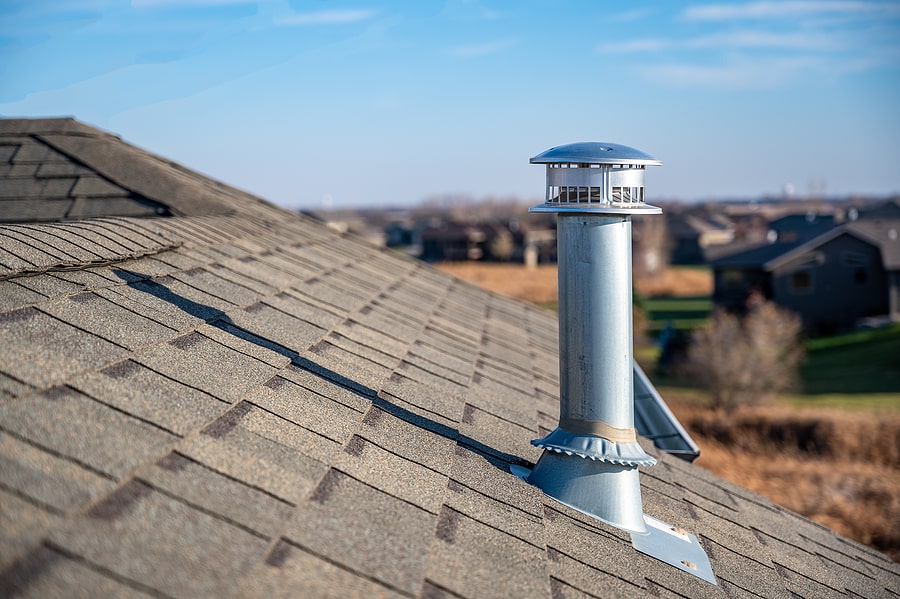
Proper roof ventilation plays a crucial role in maintaining a comfortable indoor environment while significantly reducing energy consumption. Many homeowners overlook ventilation when thinking about insulation or cooling strategies, yet it directly influences temperature regulation, moisture control, and long-term roof performance.
A well-ventilated roof allows air to circulate through attic spaces, preventing heat buildup during hot months and reducing moisture accumulation during cooler seasons. This balanced airflow lowers strain on HVAC systems and contributes to sustainable living.
Understanding Roof Ventilation and How It Works
Roof ventilation refers to the controlled movement of air through intake and exhaust vents installed along the roof structure. These vents create continuous airflow across attic spaces.
The process works through two primary components:
- Intake vents (usually located at soffits) bring fresh air into the attic
- Exhaust vents (ridge or roof vents) allow warm, moist air to escape
This natural airflow cycle prevents heat and humidity from becoming trapped inside the roofing system.
Without proper ventilation, attics become heat reservoirs in summer and moisture traps in winter—both of which increase energy usage and reduce structural durability.
Why Roof Ventilation Matters for Energy Efficiency
Energy efficiency improves when indoor temperature stays stable without overworking cooling or heating systems. Roof ventilation directly contributes to this stability.
Here’s how:
- Reduces attic heat buildup during summer
- Prevents condensation during winter
- Improves insulation performance
- Extends roofing material lifespan
- Decreases HVAC workload
When attic temperatures remain closer to outdoor levels, air conditioners operate more efficiently, lowering electricity consumption.
How Ventilation Reduces Cooling Costs in Summer
During hot weather, roof surfaces absorb significant solar radiation. Without ventilation, attic temperatures can rise dramatically, transferring heat into living areas below.
Proper ventilation helps by:
- Allowing hot air to escape before it enters the home
- Preventing insulation from overheating
- Reducing indoor temperature fluctuations
- Supporting consistent airflow circulation
As a result, cooling systems run less frequently and consume less electricity.
Even small improvements in attic airflow can noticeably reduce energy bills during peak summer months.
How Ventilation Improves Heating Efficiency in Winter
While ventilation is often associated with cooling, it is equally important during colder seasons.
Warm indoor air naturally rises into the attic. Without ventilation, moisture from this air condenses on cooler roof surfaces, leading to insulation damage and heat loss.
Proper airflow helps:
- Prevent condensation buildup
- Maintain insulation effectiveness
- Reduce ice dam formation
- Protect structural components
When insulation stays dry and functional, homes retain warmth more efficiently and require less heating energy.
Moisture Control: The Hidden Energy Saver
Moisture buildup inside attics silently reduces energy efficiency.
When insulation absorbs moisture:
- Its thermal resistance decreases
- Heat escapes more quickly
- HVAC systems work harder
Roof ventilation removes excess humidity before it settles into insulation layers or wooden structures.
This not only improves efficiency but also prevents:
- Mold growth
- Wood rot
- Structural weakening
- Indoor air quality issues
Maintaining a dry attic is essential for both energy savings and healthy living conditions.
Types of Roof Ventilation Systems That Improve Efficiency
Different ventilation systems suit different roofing structures. Choosing the right combination improves airflow performance.
Common options include:
Ridge Vents
Installed along the peak of the roof, ridge vents allow continuous warm air escape and support uniform airflow distribution.
Soffit Vents
Placed under roof eaves, these serve as intake points that introduce cooler outside air into the attic.
Gable Vents
Located on exterior attic walls, they help cross-ventilate attic spaces when combined with other vent types.
Roof Turbine Vents
Wind-powered turbines enhance air extraction from attics and work effectively in warmer climates.
Combining intake and exhaust vents creates balanced ventilation—the key to energy efficiency.
The Relationship Between Insulation and Roof Ventilation
Insulation and ventilation work together rather than replacing each other.
While insulation slows heat transfer, ventilation removes trapped heat and moisture.
A balanced attic system:
- Keeps insulation dry
- Stabilizes attic temperatures
- Improvesthermal resistance performance
- Enhances overall indoor comfort
Homes with proper insulation but poor ventilation still lose energy efficiency.
Optimal performance happens when both systems function together.
Signs Your Roof Ventilation Needs Improvement
Many homes operate with insufficient attic airflow without homeowners realizing it.
Watch for these indicators:
- Rooms feel hotter than others upstairs
- Cooling bills increase unexpectedly
- Ice dams form along roof edges
- Attic smells musty
- Mold appears on roof decking
- Paint peels near ceiling edges
Addressing ventilation issues early prevents expensive repairs later.
Long-Term Financial Benefits of Proper Roof Ventilation
Improving ventilation is one of the most cost-effective upgrades homeowners can make.
Energy-saving advantages include:
- Reduced air conditioning usage
- Lower heating costs
- Extended roof lifespan
- Fewer maintenance expenses
- Improved insulation efficiency
Over time, these benefits significantly offset installation costs.
Better airflow also enhances property value by improving structural durability and indoor comfort.
Environmental Benefits of Roof Ventilation
Energy-efficient homes contribute to lower environmental impact.
Roof ventilation supports sustainability by:
- Reducing electricity consumption
- Lowering carbon emissions
- Improving HVAC efficiency
- Supporting passive cooling strategies
Simple airflow improvements can make homes more climate-responsive without expensive system upgrades.
Choosing the Right Ventilation Strategy for Your Home
Effective ventilation depends on roof shape, attic size, insulation type, and climate conditions.
A balanced strategy should include:
- Adequate intake ventilation
- Continuous exhaust airflow
- Moisture management planning
- Professional airflow assessment if needed
Homes in warmer regions benefit from stronger heat-extraction airflow, while colder climates require moisture-control-focused ventilation systems.
Correct planning ensures year-round efficiency improvements.
Frequently Asked Questions (FAQs)
1. How much attic ventilation is typically required for energy efficiency?
Most homes follow a general guideline of about 1 square foot of ventilation for every 150 square feet of attic space, though exact needs depend on climate and insulation levels.
2. Can roof ventilation reduce indoor humidity levels?
Yes. Proper attic airflow removes trapped moisture before it migrates into living areas, helping maintain healthier indoor humidity conditions.
3. Does roof ventilation work without mechanical fans?
Yes. Passive ventilation systems using ridge and soffit vents rely on natural airflow and are often sufficient when properly installed.
4. Is roof ventilation necessary in cooler climates?
Absolutely. It prevents condensation buildup, protects insulation, and reduces the risk of ice dam formation during winter months.
5. Can poor ventilation damage roofing materials?
Yes. Excess heat and moisture can shorten the lifespan of shingles, decking, and insulation layers over time.
6. How often should roof ventilation systems be inspected?
An annual inspection is recommended, especially before extreme summer or winter seasons.
7. Does adding more vents always improve ventilation performance?
Not always. Vent placement and airflow balance matter more than quantity. Improper vent distribution can actually reduce ventilation effectiveness.