
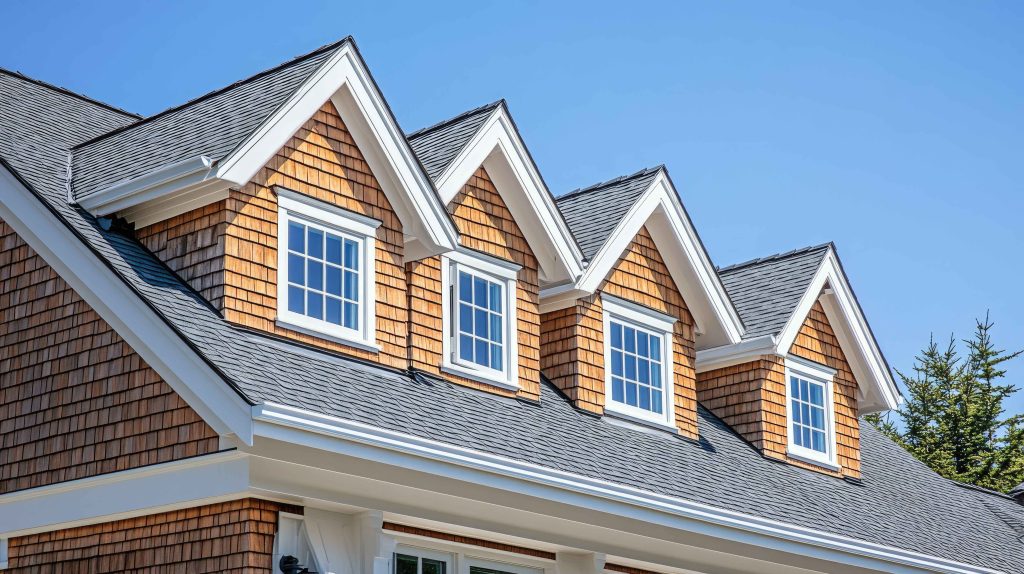
When buyers evaluate a property, the roof often shapes their first impression—even before they step inside. A well-maintained, durable roof signals reliability, safety, and lower future expenses. On the other hand, visible deterioration can reduce confidence and negotiation power immediately.
Roofing quality plays a direct role in property valuation, resale speed, insurance perception, and long-term structural protection. Whether you’re preparing to sell or planning improvements, understanding how roofing affects market worth helps you make smarter investment decisions.
Why Roofing Quality Matters in Real Estate
A roof protects everything beneath it—from structural framing to interior finishes. Because replacement costs can be significant, buyers closely examine roofing condition before committing to a purchase.
High-quality roofing contributes to:
- Higher resale value
- Stronger buyer confidence
- Improved curb appeal
- Lower inspection objections
- Reduced maintenance concerns
Even small visible defects can influence how buyers perceive the overall condition of the property.
First Impressions Influence Buyer Decisions
Real estate decisions often begin emotionally. A visually appealing roof enhances the exterior presentation of the home and suggests careful ownership.
Key visual elements that affect perception include:
- Clean, uniform shingles
- Straight rooflines
- No sagging sections
- Fresh flashing and vents
- Consistent coloration without stains
A neglected roof may signal hidden structural problems—even when none exist.
Roofing Materials and Their Impact on Value
Different roofing materials affect both durability and market appeal. Buyers often associate premium materials with reduced maintenance costs and longer service life.
Asphalt Shingles
These remain the most common residential roofing choice because they offer:
- Reliable protection
- Affordable replacement cost
- Wide color options
- Moderate lifespan (typically 15–30 years)
Homes with newer asphalt shingles typically maintain stable market value.
Metal Roofing
Metal roofing has become increasingly desirable due to its performance advantages:
- Long lifespan (40–70 years)
- Energy efficiency benefits
- Resistance to extreme weather
- Modern aesthetic appeal
Properties with metal roofing often attract buyers seeking long-term durability.
Tile Roofing
Clay and concrete tiles are associated with upscale construction quality and architectural character.
Benefits include:
- Exceptional longevity
- Strong weather resistance
- Distinctive appearance
- Higher perceived property prestige
Tile roofing frequently contributes to stronger valuation in premium neighborhoods.
Slate Roofing
Slate represents one of the highest-value roofing options available.
It offers:
- Lifespans exceeding 75 years
- Classic architectural elegance
- Fire resistance
- Minimal maintenance requirements
Homes with slate roofing often command higher resale prices due to rarity and longevity.
Structural Protection Increases Property Worth
Roofing quality directly affects the structural integrity of a home. Water infiltration is one of the most common causes of property damage—and roofs are the first defense against it.
A reliable roofing system protects:
- Attic insulation
- Ceiling finishes
- Electrical systems
- Wall framing
- Foundation stability
When buyers see evidence of proper protection, they feel more confident about the investment.
Energy Efficiency Improves Market Appeal
Modern roofing systems contribute significantly to household energy performance. Reflective coatings, ventilation systems, and insulated layers help regulate indoor temperatures.
Energy-efficient roofing can:
- Reduce cooling expenses
- Improve indoor comfort
- Support sustainability goals
- Increase buyer interest
Homes with efficient roofing often stand out in competitive markets.
Roof Age Plays a Critical Role in Pricing
Even if a roof appears intact, its age strongly influences property valuation. Buyers typically request replacement estimates when roofing approaches the end of its expected lifespan.
A recently installed roof provides advantages such as:
- Fewer repair negotiations
- Lower ownership risk perception
- Higher inspection ratings
- Faster closing timelines
Many buyers prefer homes where major exterior components have already been upgraded.
Inspection Results Affect Negotiation Outcomes
Roof condition is one of the most closely reviewed elements during property inspections. Minor defects can lead to repair credits or price adjustments.
Common inspection concerns include:
- Missing shingles
- Improper flashing
- Ventilation issues
- Moisture intrusion
- Drainage problems
Maintaining roofing quality before listing a property helps preserve negotiating strength.
Insurance and Financing Consider Roofing Condition
Lenders and insurers evaluate roofing condition when assessing property risk. Older or damaged roofs can increase insurance premiums—or even delay approvals.
High-quality roofing supports:
- Easier mortgage processing
- Lower insurance concerns
- Fewer underwriting conditions
- Faster transaction completion
These advantages indirectly strengthen overall property value.
Weather Resistance Adds Long-Term Investment Security
In regions exposed to heat, storms, or seasonal variation, roofing durability becomes even more important. Buyers often prioritize materials designed to withstand local environmental conditions.
Weather-resistant roofs provide:
- Protection against leaks
- Reduced maintenance costs
- Longer service intervals
- Greater resale confidence
Properties equipped with resilient roofing systems tend to retain value more consistently over time.
Signs Your Roof May Be Affecting Property Value
If you plan to sell your property, watch for warning indicators that could reduce buyer interest:
- Curling or cracked shingles
- Visible moss or algae growth
- Sagging roof sections
- Water stains on ceilings
- Rusted flashing around vents or chimneys
Addressing these issues early can protect your property’s market position.
Cost vs Value: Is Roof Replacement Worth It?
Replacing a roof often delivers one of the strongest returns among exterior improvements. While the exact return varies by market conditions, buyers consistently respond positively to recently upgraded roofing systems.
Roof replacement may be worthwhile if:
- The roof is over 20 years old
- Repairs are frequent
- Inspection issues exist
- Listing preparation is underway
- Energy efficiency improvements are planned
Strategic upgrades can shorten selling time and improve buyer confidence significantly.
Maintenance Tips That Preserve Roofing Value
Routine maintenance helps extend roof life and protect property worth.
Practical maintenance actions include:
- Cleaning gutters regularly
- Inspecting flashing annually
- Removing debris buildup
- Checking attic ventilation
- Scheduling professional inspections after storms
Preventive care reduces unexpected repair costs and supports stronger resale positioning.
Frequently Asked Questions (FAQs)
1. Does a new roof guarantee a higher selling price?
A new roof does not guarantee a fixed increase, but it often improves buyer confidence and reduces negotiation pressure, which supports stronger offers.
2. How much does roof condition influence home appraisals?
Appraisers consider roof age, material quality, and visible condition when estimating property value because these factors affect long-term durability.
3. Should I repair or replace my roof before selling?
Minor damage typically requires repairs, while aging or structurally compromised roofs are better replaced before listing.
4. Which roofing material offers the best long-term value?
Metal, tile, and slate roofs usually provide the longest service life and strongest durability advantages over time.
5. Can poor ventilation reduce property value?
Yes. Improper ventilation can shorten roof lifespan and increase energy costs, both of which concern buyers and inspectors.
6. Do buyers usually request roof inspections separately?
Many buyers order specialized roofing inspections in addition to general home inspections when the roof appears older or damaged.
7. How often should a roof be professionally inspected?
Most experts recommend inspection every one to two years, and after major storms, to maintain performance and protect property value.