

Moving is one of those life events that feels simple on paper but chaotic in reality. Boxes pile up, deadlines overlap, and important tasks slip through the cracks. A well-built moving checklist turns that chaos into a clear, manageable plan—if it’s designed the right way.
This guide walks you through creating a moving checklist that’s practical, flexible, and easy to follow from start to finish.
Why Most Moving Checklists Fail
Many moving checklists look good but fall apart in real life. The most common problems include:
-
Tasks that are too vague to act on
-
Everything listed at once, causing overwhelm
-
No timeline, so priorities get confused
-
Lack of flexibility for unexpected changes
An effective checklist isn’t just a list—it’s a system that adapts as your move progresses.
Start With a Clear Moving Timeline
Before writing a single task, define your timeline. This becomes the backbone of your checklist.
Break your move into phases such as:
-
8–6 weeks before moving day
-
4–3 weeks before
-
2 weeks before
-
Moving week
-
Moving day
-
First week after the move
This structure prevents last-minute scrambling and keeps tasks grouped logically.
Break Big Tasks Into Small, Actionable Steps
Large tasks feel intimidating and are easy to postpone. The solution is breaking them down.
Instead of writing:
-
Pack the kitchen
Write:
-
Pack rarely used appliances
-
Sort pantry items
-
Wrap dishes and glassware
-
Label kitchen boxes
Smaller steps create momentum and make progress visible.
Prioritize What Truly Matters
Not all tasks are equally important. Your checklist should reflect that.
Use simple priority markers such as:
-
High priority – must be done by a specific date
-
Medium priority – important but flexible
-
Low priority – nice to do if time allows
This helps you stay calm when time gets tight.
Include Categories to Stay Organized
Grouping tasks by category keeps your checklist clean and scannable.
Common moving checklist categories include:
-
Packing and sorting
-
Utilities and services
-
Paperwork and address changes
-
Cleaning and repairs
-
Moving day logistics
Categorization reduces mental clutter and makes the checklist easier to follow.
Make It Editable and Easy to Update
Your moving plan will change—guaranteed. A checklist that can’t adapt quickly becomes useless.
Choose a format that allows quick edits, such as:
-
A digital note or document
-
A spreadsheet with checkboxes
-
A task management app
Avoid rigid printed lists unless you plan to annotate them heavily.
Add Deadlines, Not Just Tasks
Tasks without deadlines tend to linger. Every major checklist item should include a target completion date.
For example:
-
Cancel internet service – 2 weeks before move
-
Pack seasonal clothes – 10 days before move
-
Confirm moving company – 1 week before move
Deadlines turn intentions into commitments.
Don’t Forget the “Often Missed” Items
The most effective moving checklists include tasks people usually forget until it’s too late.
Make sure to include:
-
Backing up important digital files
-
Taking photos of electronics before unplugging
-
Setting aside an essentials box for moving day
-
Returning library books or rented equipment
-
Preparing pets and plants for transport
These small details prevent big headaches later.


Review and Refine Your Checklist Weekly
A moving checklist isn’t a “set it and forget it” tool. Review it at least once a week and adjust based on progress.
Ask yourself:
-
What’s already done?
-
What needs more time?
-
What can be postponed or removed?
This keeps the checklist realistic and stress-free.
Use Your Checklist as a Stress-Reduction Tool
A checklist shouldn’t add pressure—it should remove it. If your list feels overwhelming, it’s a sign it needs simplification.
Focus on:
-
Progress over perfection
-
Crossing off tasks consistently
-
Letting go of non-essential items
A working checklist supports you instead of controlling you.
Final Thoughts
A moving checklist that actually works is clear, flexible, and built around real-life timing. When tasks are broken down, prioritized, and organized by phase, moving becomes far more manageable.
Instead of reacting to problems, you’ll stay ahead of them—one checked box at a time.
Frequently Asked Questions
How early should I start a moving checklist?
Ideally, begin 6–8 weeks before your move. This gives you enough time to plan without feeling rushed.
Should my moving checklist be digital or printed?
Digital checklists are easier to update, but printed versions work well if you prefer writing notes by hand. Choose what you’ll actually use consistently.
How detailed should a moving checklist be?
The more detailed, the better—as long as tasks remain clear and actionable. Avoid vague items that don’t tell you what to do next.
Can one checklist work for both local and long-distance moves?
Yes, but long-distance moves often require additional steps like travel planning, overnight stays, and stricter timelines.
What’s the most commonly forgotten moving task?
Setting aside a moving day essentials box is often overlooked and causes unnecessary stress on moving day.
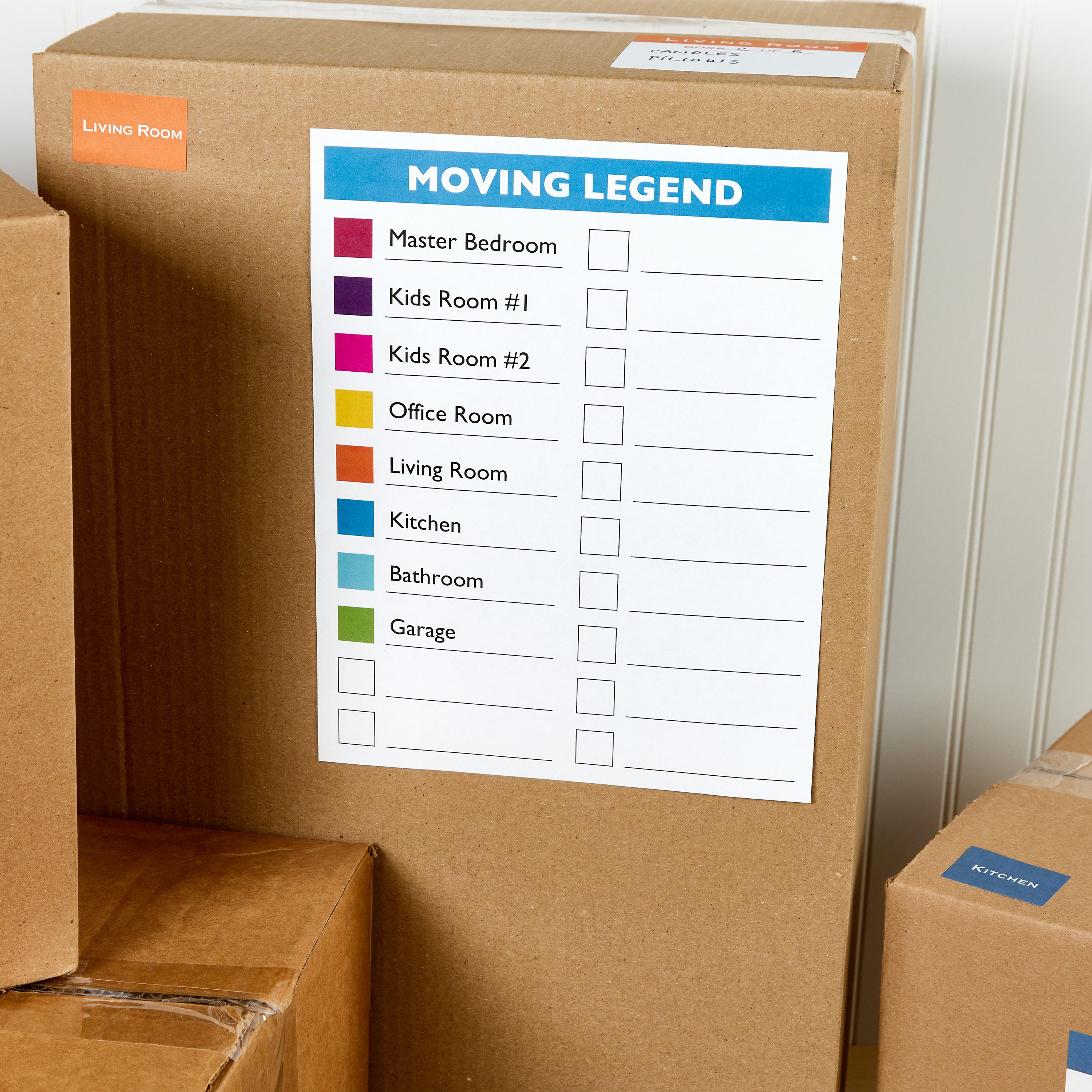
Should I create separate checklists for different rooms?
If your home is large, room-specific checklists can be very effective. For smaller spaces, a single categorized checklist usually works best.
How do I stay motivated while following a moving checklist?
Crossing off tasks regularly, setting small deadlines, and celebrating progress—even small wins—helps maintain momentum throughout the move.