
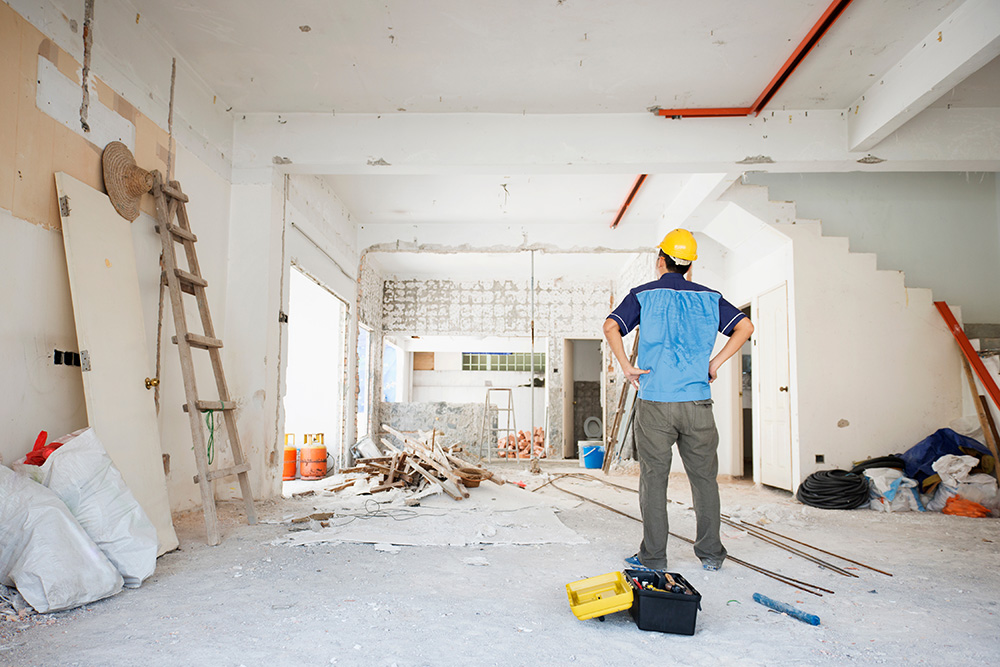
Planning a home renovation can be exciting—but without a clear strategy, it can quickly become stressful and expensive. A successful renovation depends on thoughtful preparation, realistic budgeting, smart scheduling, and choosing the right professionals.
This guide walks you through the essential steps to help you transform your home efficiently while avoiding common mistakes.
Define Your Renovation Goals Clearly
Before hiring contractors or buying materials, identify exactly what you want to achieve. Renovations usually fall into one of three categories:
- Improving functionality (better layout, storage solutions, accessibility)
- Enhancing aesthetics (modern finishes, updated interiors)
- Increasing property value (kitchen upgrades, bathrooms, flooring)
Ask yourself:
- Which areas need improvement first?
- What problems must be solved?
- What features are non-negotiable?
Clear goals help prevent scope creep and unnecessary spending later.
Set a Realistic Budget
A well-planned budget protects your renovation from unexpected disruptions.
Include the following cost categories:
- Design and consultation fees
- Labor charges
- Materials and finishes
- Permits and approvals
- Furniture or fixtures
- Emergency contingency fund (10–20%)
Helpful budgeting tips:
- Compare multiple quotations
- Prioritize structural upgrades first
- Avoid changing plans mid-project
- Keep extra funds for hidden repairs
Unexpected costs are common, especially in older homes. Planning ahead keeps your project on track.
Create a Practical Renovation Timeline
Time management is just as important as budgeting.
A typical renovation timeline includes:
- Planning and design phase
- Approvals and permissions
- Demolition work
- Structural changes
- Electrical and plumbing updates
- Interior finishing and installation
To avoid delays:
- Order materials early
- Confirm contractor availability
- Plan work during favorable seasons
- Set milestone deadlines
A structured timeline ensures steady progress without unnecessary interruptions.
Decide Between DIY and Hiring Professionals
Some tasks can be handled independently, while others require expert supervision.
Suitable DIY tasks:
- Painting walls
- Installing décor elements
- Minor furniture assembly
- Simple landscaping
Hire professionals for:
- Structural modifications
- Electrical wiring
- Plumbing changes
- Roofing work
- Waterproofing
Choosing correctly improves safety and saves money long-term.
Choose the Right Contractor Carefully
A skilled contractor determines the success of your renovation.
Before finalizing a contractor:
- Review previous work samples
- Check references and feedback
- Confirm licenses and certifications
- Compare multiple quotations
- Discuss project timelines clearly
Also ensure everything is documented in a written agreement, including:
- Payment schedule
- Material responsibilities
- Completion deadlines
- Warranty commitments
Clear communication prevents misunderstandings later.
Focus on Smart Design and Space Optimization
Effective design improves both comfort and usability.
Consider these improvements:
- Open-layout living areas
- Built-in storage solutions
- Natural lighting enhancements
- Energy-efficient ventilation
- Multipurpose furniture zones
Small layout adjustments often create the biggest impact.
Select Durable and Practical Materials
Material selection affects both aesthetics and maintenance costs.
When choosing materials:
- Prefer moisture-resistant finishes for kitchens and bathrooms
- Select durable flooring for high-traffic areas
- Choose energy-efficient windows
- Invest in quality electrical fittings
Long-lasting materials reduce future repair expenses.
Secure Necessary Permissions Before Starting
Skipping approvals can delay your project or increase costs later.
Check requirements for:
- Structural changes
- Electrical upgrades
- Plumbing relocation
- Exterior modifications
- Additional floor construction
Following regulations ensures a smooth renovation process.
Plan Temporary Living Arrangements if Needed
Large renovations may disrupt daily routines.
Consider:
- Staying with family temporarily
- Renovating in phases
- Setting up alternate kitchen space
- Protecting furniture from dust damage
Planning ahead minimizes inconvenience.
Track Progress Throughout the Renovation
Monitoring your project regularly helps maintain quality.
Best practices include:
- Conduct weekly inspections
- Confirm milestone completion
- Keep payment aligned with progress
- Document material usage
- Address issues immediately
Active involvement prevents delays and budget overruns.
Add Energy-Efficient Upgrades for Long-Term Savings
Modern renovations often include sustainability improvements.
Popular upgrades include:
- LED lighting systems
- Solar panels
- Insulated windows
- Smart thermostats
- Water-saving fixtures
These features reduce utility costs and improve comfort.
Avoid Common Renovation Mistakes
Many homeowners repeat similar errors during renovation projects.
Avoid:
- Starting without a written plan
- Ignoring contingency funds
- Choosing the cheapest contractor blindly
- Changing designs mid-project
- Using low-quality materials
Awareness helps ensure smoother execution.
Final Checklist Before Completion
Before finishing your renovation:
- Inspect all fixtures
- Test electrical connections
- Check plumbing functionality
- Confirm paint and finish quality
- Review warranty documents
A proper inspection ensures everything meets expectations.
Frequently Asked Questions (FAQs)
1. How long does a typical home renovation take?
The timeline depends on the size and complexity of the project. Small interior updates may take a few weeks, while full-home renovations can require several months.
2. What should I renovate first in an older house?
Start with structural repairs, plumbing systems, electrical wiring, and waterproofing before moving to cosmetic upgrades.
3. Is it cheaper to renovate or rebuild a house?
Renovation is usually more affordable if the structure is strong. Rebuilding becomes practical when major structural issues exist.
4. How can I reduce renovation costs without affecting quality?
Plan early, compare contractor quotes, reuse existing materials where possible, and avoid last-minute design changes.
5. Should I move out during renovation work?
For large renovations involving kitchens, bathrooms, or structural work, temporary relocation improves safety and convenience.
6. What permits are commonly required before renovation?
Permits may be needed for structural changes, plumbing relocation, electrical upgrades, and exterior modifications depending on local regulations.
7. How do I make my renovation future-ready?
Choose flexible layouts, energy-efficient systems, durable materials, and smart-home features to ensure long-term usability.