


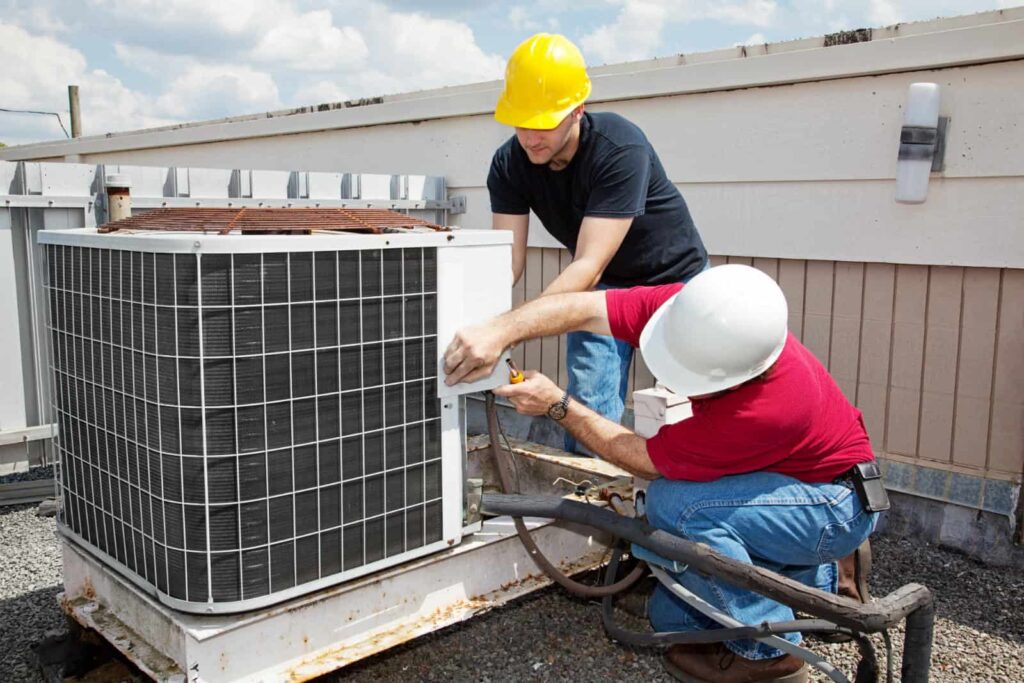
The heating, ventilation, and air conditioning (HVAC) industry is entering a period of rapid transformation. Driven by climate concerns, smart technology, and energy-efficiency regulations, the role of HVAC technicians is expanding far beyond traditional repair and maintenance. Over the next decade, professionals who adapt their skills will find strong job security, higher earning potential, and diverse career paths.
Understanding where the industry is heading is essential for technicians, students, and employers preparing for the future.
Why HVAC Careers Are Evolving Rapidly
HVAC systems are no longer just mechanical setups. They are becoming digitally integrated, environmentally regulated, and customer-focused solutions. Several forces are shaping this evolution:
-
Rising demand for energy-efficient buildings
-
Growth of smart homes and IoT-enabled systems
-
Stricter environmental and refrigerant regulations
-
Increased focus on indoor air quality and health
-
Ongoing shortage of skilled HVAC professionals
These shifts mean future technicians must combine hands-on expertise with technical knowledge, analytical thinking, and communication skills.
Core Technical Skills HVAC Technicians Will Need
Advanced System Diagnostics
Modern HVAC systems rely on sensors, control boards, and software. Technicians will need strong diagnostic abilities to identify issues quickly and accurately.
Key competencies include:
-
Reading digital schematics and error codes
-
Using diagnostic software and mobile tools
-
Interpreting performance data to prevent failures
Energy Efficiency and Green Technology
Sustainability is no longer optional. Technicians must understand how to optimize systems for minimal energy use while meeting regulatory standards.
Essential knowledge areas:
-
High-efficiency heat pumps
-
Variable refrigerant flow (VRF) systems
-
Energy audits and load calculations
-
Building performance optimization
Refrigerant Management and Environmental Compliance
As older refrigerants are phased out, technicians must stay compliant with evolving standards.
This includes:
-
Safe handling of low-global-warming-potential refrigerants
-
Leak detection and recovery best practices
-
Understanding environmental regulations and reporting requirements
Digital and Smart Technology Skills
Smart HVAC and IoT Integration
Connected HVAC systems are becoming standard in both residential and commercial settings. Technicians must be comfortable working with networked devices.
Important skills include:
-
Installing and configuring smart thermostats
-
Integrating HVAC systems with building automation platforms
-
Basic networking and connectivity troubleshooting
Software Literacy and Data Interpretation
Future HVAC work involves dashboards, apps, and cloud-based monitoring tools.
Technicians will benefit from:
-
Navigating system software interfaces
-
Interpreting usage trends and performance metrics
-
Using data to recommend system improvements to customers
Soft Skills That Will Set Technicians Apart
Customer Communication and Education
As systems grow more complex, customers rely on technicians for clear explanations and trustworthy advice.
Strong technicians will:
-
Explain technical issues in simple terms
-
Educate clients on maintenance and efficiency
-
Build long-term customer relationships
Problem-Solving and Adaptability
No two HVAC systems are exactly alike. Technicians must think critically and adapt quickly, especially when dealing with new technologies.
This includes:
-
Troubleshooting unfamiliar equipment
-
Staying calm under pressure
-
Learning continuously as systems evolve
Specialized Skills Creating New Opportunities
Indoor Air Quality (IAQ) Expertise
Health-conscious consumers are prioritizing clean indoor air. HVAC professionals with IAQ knowledge will be in high demand.
Relevant skills:
-
Air purification and filtration systems
-
Humidity control solutions
-
Ventilation system optimization
Commercial and Industrial HVAC Knowledge
Large-scale systems require advanced expertise and offer higher earning potential.
Valuable areas include:
-
Chillers and boilers
-
Building automation systems
-
Preventive maintenance planning for large facilities
Continuous Learning and Certification
The next decade will reward technicians who commit to lifelong learning.
Successful professionals will:
-
Pursue updated certifications regularly
-
Attend manufacturer and technical training
-
Stay informed about code changes and emerging technologies
Investing in education is no longer optional—it is a career necessity.
The Future Outlook for HVAC Technicians
The HVAC industry offers a rare combination of job stability, technological innovation, and environmental impact. Technicians who blend traditional mechanical skills with digital literacy, sustainability knowledge, and strong communication abilities will lead the field.
Those who adapt early will not only remain relevant but become indispensable.
Frequently Asked Questions (FAQs)
1. Will HVAC jobs still be in demand over the next decade?
Yes, demand is expected to grow steadily due to aging infrastructure, climate concerns, and ongoing labor shortages.
2. Do HVAC technicians need IT or computer skills in the future?
Basic digital literacy and familiarity with smart systems will become increasingly important, though advanced programming is not required.
3. Are certifications more important now than before?
Yes, updated certifications help technicians stay compliant with regulations and competitive in a changing job market.
4. What HVAC specialization offers the highest growth potential?
Energy-efficient systems, smart HVAC integration, and commercial HVAC are among the fastest-growing areas.
5. How can new technicians prepare for future HVAC trends?
Focus on foundational skills, pursue modern training programs, and stay open to continuous learning.
6. Is HVAC a good long-term career choice?
HVAC remains a strong long-term career due to consistent demand, technological advancement, and opportunities for specialization.
7. How important is sustainability knowledge for HVAC technicians?
Extremely important. Energy efficiency and environmental compliance are central to modern HVAC work and will only grow in importance.