
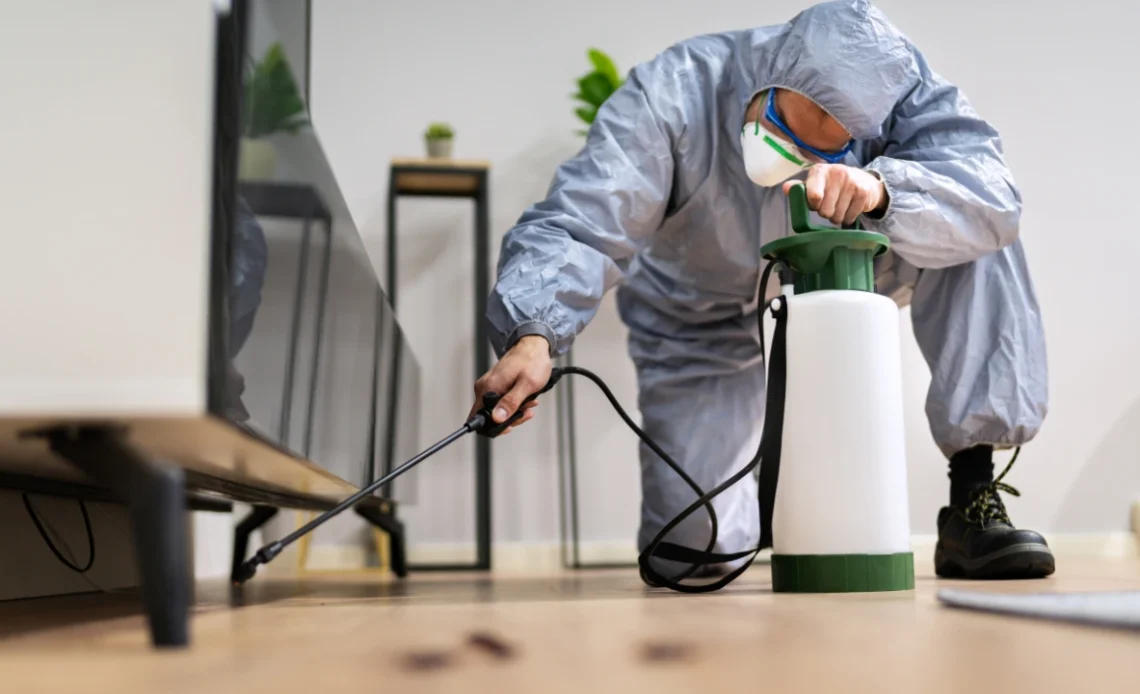
Pest control is the systematic process of preventing, managing, and eliminating unwanted insects, rodents, and other organisms that threaten property, food supplies, and human well-being. From termites weakening structural foundations to mosquitoes spreading disease, unmanaged infestations can escalate quickly. A thoughtful pest control plan combines inspection, prevention, sanitation, and targeted treatment to maintain a safe and hygienic environment.
This guide explains the most effective pest control methods, common household pests, prevention strategies, and when professional help becomes necessary.
Property owners throughout the region depend on trusted professionals for wildlife and pest management services. TruTech Pest & Wildlife Control serves the GTA by offering inspections, humane removal methods, and long-term prevention strategies. Choosing TruTech Pest & Wildlife Control helps homeowners safeguard their properties from recurring wildlife-related concerns.
Why Pest Control Is Essential
Ignoring pests can lead to serious consequences that affect both property and health.
Key reasons pest control matters:
- Protects structural integrity from termites and rodents
- Prevents disease transmission from mosquitoes, cockroaches, and flies
- Reduces food contamination risks
- Maintains hygiene standards in homes and workplaces
- Improves comfort and peace of mind
Regular monitoring helps detect infestations early before they become expensive problems.
Common Household Pests and Their Risks
Understanding pest behavior helps choose the right control method.
1. Termites
Termites feed on cellulose found in wood and paper. Over time, they can silently weaken beams, furniture, and flooring.
Signs of termite activity:
- Hollow-sounding wood
- Mud tubes on walls
- Discarded wings near windows
- Bubbling paint surfaces
2. Cockroaches
Cockroaches thrive in warm, damp environments such as kitchens and bathrooms. They contaminate food and surfaces with bacteria.
Health concerns include:
- Allergies
- Asthma triggers
- Food poisoning pathogens
3. Rodents
Rats and mice damage wiring, insulation, and stored items. They also spread infections through droppings and urine.
Warning indicators:
- Gnaw marks
- Droppings near corners
- Scratching sounds at night
4. Mosquitoes
Mosquitoes breed in stagnant water and transmit illnesses such as dengue, malaria, and chikungunya.
Removing breeding sources is one of the most effective prevention strategies.
5. Ants
Ants invade kitchens searching for food. While most species are harmless, some cause contamination and structural damage.
Types of Pest Control Methods
Effective pest management combines several treatment approaches.
Biological Pest Control
This method uses natural predators or organisms to control pests.
Examples include:
- Ladybugs controlling aphids
- Nematodes controlling soil pests
- Bacteria targeting larvae
It is environmentally friendly and suitable for gardens and farms.
Chemical Pest Control
Chemical treatments involve insecticides, rodenticides, and repellents.
Advantages:
- Fast results
- Effective for large infestations
- Widely available
However, they must be applied carefully to avoid health risks.
Mechanical Pest Control
Mechanical methods physically remove or block pests.
Common tools:
- Traps
- Nets
- Barriers
- Screens
This approach is safe and ideal for indoor environments.
Integrated Pest Management (IPM)
Integrated Pest Management combines multiple strategies to minimize environmental impact while maximizing effectiveness.
Typical IPM includes:
- Monitoring pest activity
- Improving sanitation
- Using natural predators
- Applying limited chemical treatment when necessary
Preventive Pest Control Tips for Homes
Prevention remains the most reliable and cost-effective pest control approach.
Practical prevention steps:
- Seal cracks in walls and floors
- Install mesh screens on windows
- Store food in airtight containers
- Dispose of garbage regularly
- Fix leaking pipes immediately
- Eliminate standing water outdoors
- Maintain garden cleanliness
Consistency in these habits significantly reduces infestation risks.
Natural Pest Control Remedies
Many households prefer eco-friendly pest solutions that reduce chemical exposure.
Popular natural remedies include:
- Neem oil spray for insects
- Vinegar solutions for ants
- Essential oils like peppermint and eucalyptus as repellents
- Baking soda mixtures for cockroach control
While natural remedies work best for minor infestations, they should be combined with preventive practices for lasting results.
Signs You Need Professional Pest Control Services
Sometimes infestations become too severe for home remedies alone.
Consider professional assistance if:
- Pests return repeatedly
- Structural damage becomes visible
- Multiple pest types appear simultaneously
- You notice unusual odors or sounds inside walls
- DIY treatments fail to control the problem
Professionals use specialized equipment and targeted treatments for long-term protection.
Benefits of Regular Pest Control Maintenance
Routine pest control inspections help maintain safe living conditions year-round.
Long-term advantages include:
- Reduced repair costs
- Healthier indoor environment
- Improved food safety
- Protection of furniture and storage items
- Higher property value
Preventive maintenance is more affordable than treating large infestations later.
Choosing the Right Pest Control Approach
Selecting the correct strategy depends on several factors.
Important considerations:
- Type of pest
- Severity of infestation
- Presence of children or pets
- Environmental concerns
- Budget limitations
Combining prevention with targeted treatment produces the best results.
FAQ
1. How often should pest control be done at home?
Most homes benefit from pest control inspections every 3 to 6 months. High-risk areas may require more frequent monitoring.
2. Is pest control safe for children and pets?
Modern treatments are generally safe when applied correctly. Follow safety instructions and allow proper ventilation after treatment.
3. What attracts pests into homes?
Food crumbs, moisture, garbage buildup, open entry points, and cluttered storage areas commonly attract pests.
4. Can seasonal changes affect pest activity?
Yes. Many pests become more active during warmer months, while rodents often seek shelter indoors during colder seasons.
5. Do natural pest control methods completely eliminate infestations?
Natural solutions work best for prevention and mild infestations but may not fully eliminate severe pest problems.
6. How long does professional pest treatment remain effective?
Effectiveness varies by treatment type, but most professional solutions last between 2 and 6 months.
7. What is the first step before starting pest control treatment?
Inspection is essential. Identifying pest species, entry points, and breeding areas helps determine the most effective treatment strategy.