


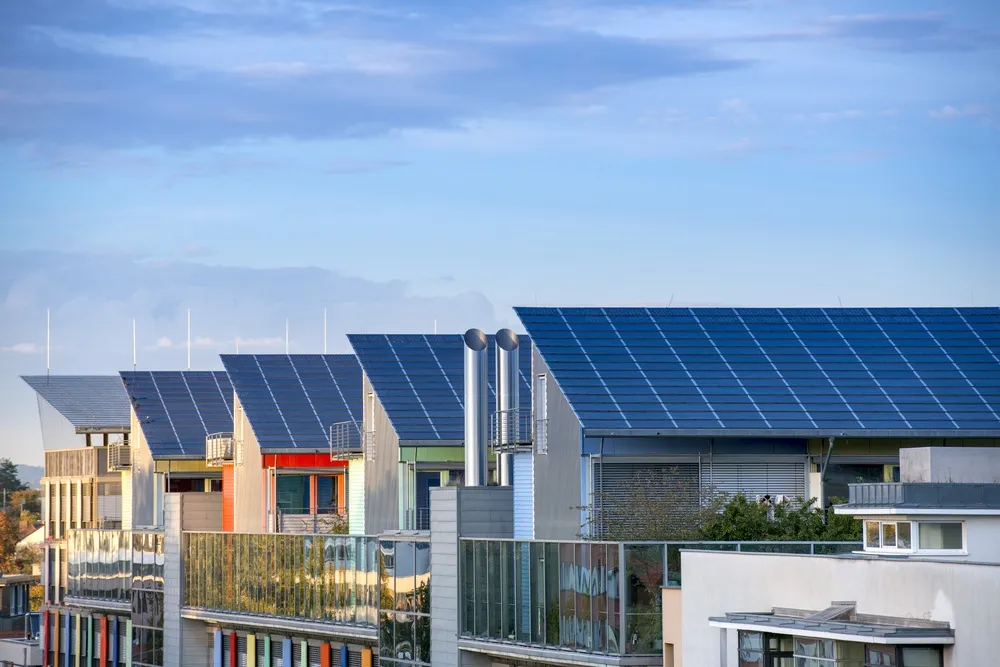
Housing has always reflected the priorities of its time. From indoor plumbing to central heating to broadband connectivity, homes evolve as expectations change. Energy now sits at the center of that evolution. Smart solar homes represent a new phase in residential design, shaped by awareness rather than excess and coordination rather than passive consumption. Freedom Forever Solar Reviews reflect this transition as residential solar systems increasingly integrate with smart technology that allows homes to understand and manage energy use more intentionally.
This shift is not driven by novelty. It reflects broader changes in how people live, work, and relate to resources. Energy-aware homes respond by embedding intelligence into the systems that support daily life, allowing energy to become part of everyday awareness rather than an invisible background service.
Energy Awareness as a Modern Housing Standard
Historically, homes consumed energy with little feedback. Electricity arrived quietly, and usage followed routine rather than insight. That model no longer aligns with how people expect systems to function.
Energy-aware homes change this dynamic. Monitoring tools show production, consumption, and storage activity in near real time. Energy becomes visible and understandable. This awareness reshapes expectations. Homes no longer obscure energy use. They reveal it, allowing residents to engage thoughtfully rather than remain detached.
Technology and Housing Grow More Interdependent
As technology becomes more embedded in daily life, housing design evolves. Lighting, climate control, and security systems now respond to occupancy and conditions.
Energy-aware homes extend this responsiveness to power itself. Solar generation, storage, and smart controls connect with household systems to support coordination. Homes operate less as static structures and more as responsive environments guided by data and context. Energy becomes an integrated element of how homes function.
Sustainability Becomes Part of Daily Practice
Sustainability discussions often focus on long-term or global outcomes. Energy-aware homes translate these ideas into everyday experience.
When households see clean energy supporting daily activities, sustainability feels practical. Choices around timing and usage carry visible impact. This clarity supports consistency. Sustainable behavior becomes routine rather than aspirational, reinforced through everyday systems rather than conscious effort.
Control Replaces Passive Consumption
Energy-aware homes offer a sense of control that traditional energy models lack. Residents guide how and when energy is used within their homes.
Smart systems manage coordination automatically. Households set preferences rather than managing individual devices. Control emerges through clarity and automation. Energy feels manageable and responsive rather than imposed or distant.
Resilience Embedded into Everyday Design
Modern housing increasingly accounts for variability in conditions. Climate patterns, grid dynamics, and household needs continue to develop.
Energy-aware homes embed resilience into daily operation. Solar and storage support continuity. Smart controls manage priorities smoothly. Resilience appears not only during disruptions, but also through steady performance during normal conditions. Homes adapt rather than react.
Visibility Supports Long-Term Engagement
Visibility plays a key role in sustaining engagement with energy systems. Energy-aware homes provide feedback without overwhelming residents.
Dashboards show trends rather than isolated moments. Households learn how systems behave across seasons and conditions. Freedom Forever reviews often highlight communication and access to system information, with homeowners describing clarity around how their homes manage energy over time. These observations reflect how visibility builds trust and confidence in energy-aware design.
Housing Reflects Changing Lifestyles
Work patterns, mobility, and household structures continue to shift. Homes increasingly serve multiple purposes throughout the day.
Energy-aware homes support this flexibility. Systems adjust to occupancy and usage patterns. Energy use aligns with how residents live rather than enforcing rigid schedules. This responsiveness reflects a broader housing trend toward adaptability and user-centered design.
Data Informs Better Home Decisions
Energy awareness introduces data into everyday planning. Households make decisions about upgrades, storage additions, or efficiency improvements with a clearer understanding of actual use.
Decisions rely on observed patterns rather than estimates. This approach reduces uncertainty and supports thoughtful planning. Data-driven housing reflects a wider shift toward informed, intentional choices.
Community Benefits Through Individual Awareness
While energy-aware homes focus on individual households, their effects extend beyond property lines. Reduced peak demand and local generation support broader energy stability.
Homes interact with energy networks more selectively. Participation replaces passive reliance. Over time, this collective effect supports resilience at a community level through distributed awareness rather than centralized control.
Redefining Home Quality
Traditional measures of home quality emphasize size, location, and finishes. Energy awareness introduces a new dimension.
Homes that understand and manage energy signal readiness for modern living. Energy-aware design reflects foresight rather than trend adoption. Buyers increasingly recognize energy awareness as part of overall home quality, alongside comfort and connectivity.
Adaptability as a Housing Priority
The future of housing prioritizes adaptability. Energy-aware homes reflect this shift. Systems adjust as technology and household needs evolve. Software updates refine performance. Hardware supports expansion. Adaptability allows homes to remain relevant across decades, reinforcing long-term value.
Energy as Part of Everyday Awareness
Energy-aware homes normalize attention to resources. Energy joins water, connectivity, and comfort as elements that residents understand intuitively.
This awareness does not dominate daily life. It exists quietly, informing choices when needed. Homes support awareness without disruption.
What Smart Solar Homes Represent
Smart solar homes represent more than clean energy adoption. They reflect a change in how housing responds to modern expectations.
These homes integrate technology, sustainability, and resilience into cohesive systems. Energy awareness supports daily life without intrusion. Homes move away from passive consumption toward informed participation.
Energy Awareness as the New Normal
As modern housing continues to evolve and become more automated, energy awareness emerges as a defining feature. Homes that understand and manage energy reflect modern priorities.
Smart solar homes offer a view into this future. They show how housing can support sustainability, resilience, and adaptability through awareness rather than excess. The future of housing is energy aware, and smart solar homes represent a thoughtful step toward how people can design, live in, and value their homes moving forward.