


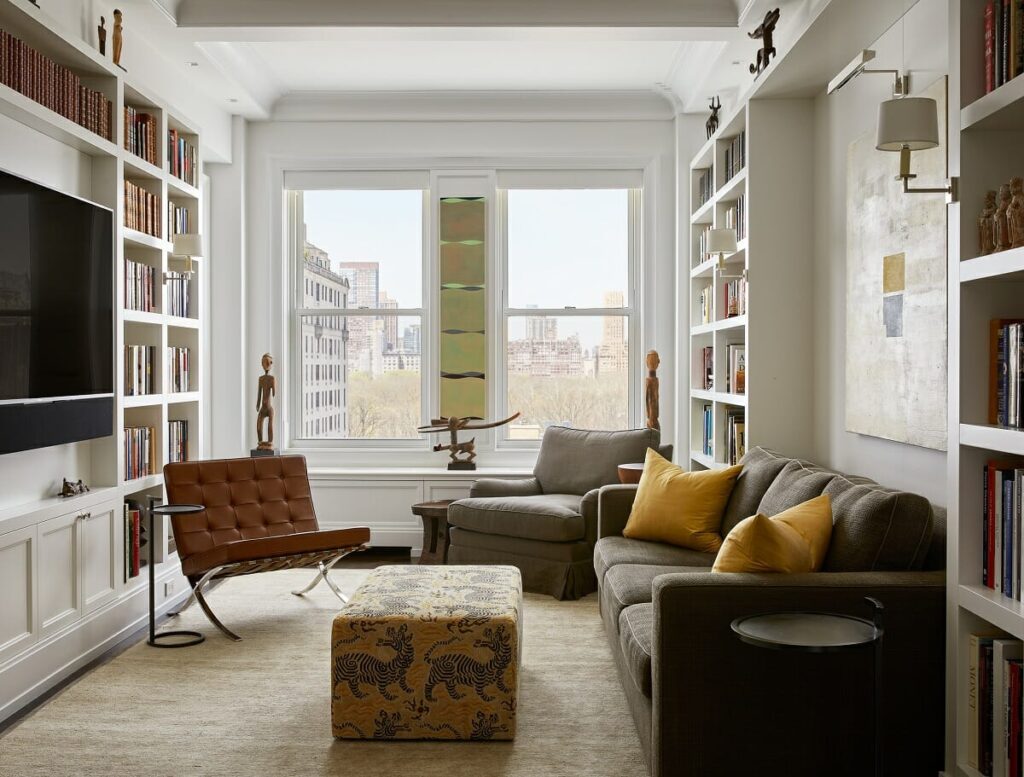
The pandemic reshaped how people live, work, and relax within their homes. As daily routines blurred and households took on new roles—office, classroom, gym, and sanctuary—flexible floor plans moved from a niche preference to a mainstream design priority. Today’s homes are no longer static; they are adaptive environments built to evolve with changing needs.
Why Flexible Floor Plans Are Gaining Popularity
Modern homeowners are seeking layouts that respond to uncertainty and lifestyle shifts. The appeal of flexible design lies in its ability to offer choice, adaptability, and efficiency without sacrificing comfort or style.
Key drivers behind this shift include:
-
Remote and hybrid work models requiring dedicated yet adaptable workspaces
-
Multi-generational living, where privacy and shared areas must coexist
-
A renewed focus on mental well-being, with spaces that reduce stress and improve flow
-
Rising real estate costs encouraging smarter use of every square foot
Rather than expanding square footage, flexibility allows homes to do more with what they already have.
Core Elements of a Flexible Floor Plan
Movable and Modular Walls
Sliding panels, pocket doors, and folding partitions allow rooms to open up or close off as needed. A living area can quickly transform into a quiet office or guest room without permanent structural changes.
Multi-Functional Rooms
Instead of single-purpose spaces, designers are favoring rooms that adapt throughout the day. A dining room may double as a workspace, while a spare bedroom can serve as a fitness or hobby area.
Common examples include:
-
Living rooms with concealed desks
-
Bedrooms with fold-away beds or wall storage
-
Kitchens designed to function as social hubs and work zones
Open Yet Zoned Layouts
While open plans remain popular, homeowners now prefer subtle zoning. Changes in lighting, flooring, ceiling height, or furniture placement define areas without closing them off, maintaining openness while improving functionality.
Technology’s Role in Adaptable Living
Smart home technology enhances flexibility by allowing residents to reconfigure their environment instantly. Lighting scenes, sound zones, and climate controls can be adjusted room by room, supporting multiple activities at once.
Examples of tech-enabled flexibility include:
-
Adjustable lighting for work, relaxation, or entertainment
-
Smart thermostats that adapt to room usage
-
Integrated storage systems with motorized or modular components
These features ensure spaces respond intuitively to daily routines.
Design Benefits Beyond the Pandemic
Although the pandemic accelerated the trend, flexible floor plans are proving valuable well beyond crisis-driven needs.
Long-term advantages include:
-
Future-proofing homes for life changes such as growing families or aging in place
-
Enhanced resale value, as adaptable layouts appeal to a wider range of buyers
-
Improved energy efficiency, with the ability to heat, cool, or light only occupied zones
-
Greater satisfaction from spaces that align with real-life usage
Flexibility also encourages intentional living, where each area serves a purpose rather than remaining underused.
Challenges and Considerations
Flexible design requires thoughtful planning. Without clarity, adaptable spaces can feel cluttered or undefined.
Important considerations include:
-
Investing in quality materials for movable components
-
Ensuring adequate acoustic privacy, especially for workspaces
-
Balancing openness with storage to avoid visual chaos
When executed carefully, flexibility enhances comfort rather than complicating it.
The Future of Home Layouts
As lifestyles continue to evolve, flexible floor plans are becoming the new standard rather than a passing trend. Architects and homeowners alike are prioritizing resilience, adaptability, and personalization, designing homes that can shift seamlessly with changing routines and expectations.
The post-pandemic home is no longer about rigid rooms—it’s about spaces that grow, contract, and transform alongside the people who live in them.
Frequently Asked Questions (FAQs)
1. Are flexible floor plans suitable for small homes or apartments?
Yes, flexibility is especially valuable in smaller spaces, where multi-functional rooms maximize usability without increasing square footage.
2. Do flexible layouts cost more to build or renovate?
Initial costs may be slightly higher due to modular elements, but long-term value and reduced renovation needs often offset the expense.
3. Can flexible floor plans still provide privacy?
Absolutely. Features like sliding doors, acoustic panels, and smart zoning ensure privacy when required.
4. Are open floor plans being replaced by flexible layouts?
Not replaced, but refined. Flexible plans retain openness while introducing adaptability and defined zones.
5. How do flexible floor plans affect resale value?
Homes with adaptable layouts tend to attract a broader range of buyers, often boosting market appeal.
6. What materials work best for movable walls and partitions?
Lightweight composites, wood panels, glass, and aluminum frames are popular for durability and ease of use.
7. Can older homes be retrofitted for flexible layouts?
Yes, many older homes can be updated with modular furniture, sliding doors, and smart storage without major structural changes.