


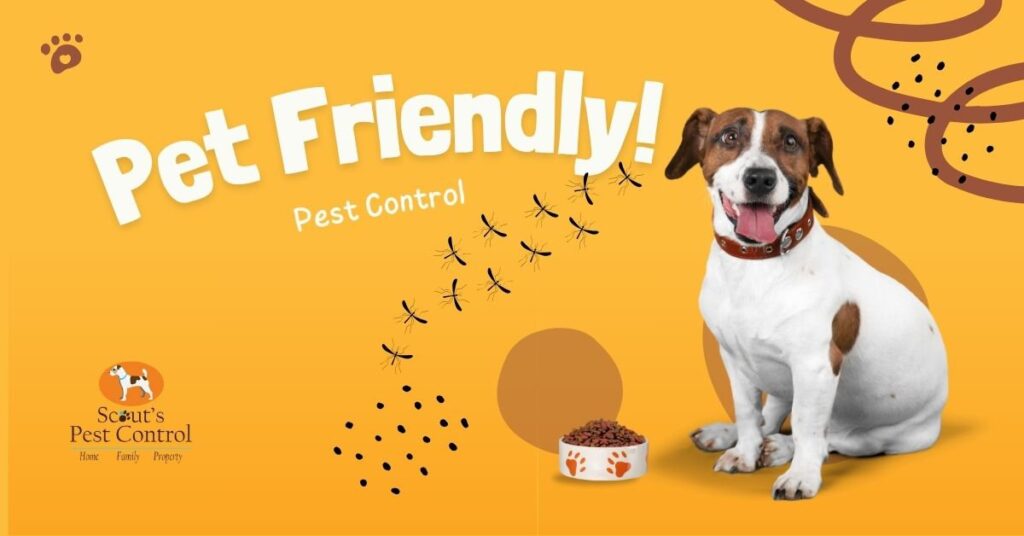
Keeping pests out of your home shouldn’t come at the expense of your family’s health. Children and pets are especially vulnerable to harsh chemicals found in traditional pest control products. This guide explores safe, effective, and practical pest control methods that protect your home while prioritizing the well-being of everyone living in it.
Why Child- and Pet-Safe Pest Control Matters
Young children explore the world through touch and taste, while pets groom themselves and sniff everything within reach. When toxic pesticides are used indoors or around yards, the risks include:
-
Skin irritation and respiratory issues
-
Accidental ingestion
-
Long-term health complications
Choosing safer alternatives reduces exposure while still keeping pests under control.
Common Household Pests and Their Risks
Different pests pose different threats, and understanding them helps you choose the safest solution.
-
Ants and cockroaches may contaminate food surfaces
-
Rodents can carry bacteria and damage wiring
-
Mosquitoes and flies spread germs and cause bites
-
Fleas and ticks directly affect pets and can enter the home
The goal is control and prevention, not chemical overload.
Natural and Non-Toxic Pest Control Methods
Essential Oils as Natural Repellents
Certain essential oils repel insects without harming pets or kids when used correctly.
Effective options include:
-
Peppermint for ants and spiders
-
Lavender for moths and flies
-
Eucalyptus for mosquitoes
Always dilute oils properly and avoid direct contact with pets.
Diatomaceous Earth (Food Grade)
This fine powder targets crawling insects by damaging their exoskeletons.
-
Safe for children and pets when food-grade is used
-
Ideal for ants, fleas, and roaches
-
Apply in cracks, corners, and entry points
Vinegar-Based Solutions
Vinegar disrupts scent trails and deters pests naturally.
-
Mix equal parts vinegar and water
-
Spray on surfaces, baseboards, and entry areas
-
Best for ants and fruit flies
Cedarwood and Natural Wood Repellents
Cedar naturally repels insects while being safe for animals.
-
Cedar blocks in closets and drawers
-
Cedar oil sprays for pet bedding and carpets
Integrated Pest Management (IPM): The Smart Approach
Integrated Pest Management focuses on long-term prevention instead of quick chemical fixes.
Key IPM principles include:
-
Sealing cracks and gaps
-
Eliminating food and water sources
-
Maintaining cleanliness
-
Monitoring pest activity before taking action
This approach minimizes pesticide use while delivering lasting results.
Pet-Safe Flea and Tick Control
Fleas and ticks are a major concern for pet owners, but chemical collars and drops aren’t the only option.
Safer alternatives include:
-
Regular grooming and bathing
-
Natural flea combs
-
Washing pet bedding weekly in hot water
-
Yard maintenance to reduce tick habitats
Consult a veterinarian before introducing any new flea control method.
Outdoor Pest Control Without Toxic Chemicals
Outdoor spaces can be protected without endangering children or pets.
-
Encourage natural predators like birds
-
Use mosquito-repelling plants such as citronella and basil
-
Remove standing water
-
Apply nematodes to lawns for grub control
These methods help maintain a balanced ecosystem around your home.
Choosing Child- and Pet-Safe Commercial Products
If store-bought products are necessary, look for:
-
Clear labeling indicating child- and pet-safe use
-
Botanical or mineral-based ingredients
-
Low-toxicity or non-toxic certifications
Always follow usage instructions carefully and store products securely.
When to Call a Professional
Some infestations require expert intervention. Choose pest control services that:
-
Specialize in eco-friendly or green pest control
-
Use targeted treatments instead of broad spraying
-
Provide clear safety guidelines for families
A responsible professional prioritizes safety as much as effectiveness.
Long-Term Prevention Tips for a Pest-Free Home
Consistency is key to avoiding infestations.
-
Store food in airtight containers
-
Take out trash regularly
-
Fix leaks and moisture issues
-
Vacuum and clean high-risk areas often
Preventive habits reduce the need for any pest control measures at all.
FAQs: Child- and Pet-Safe Pest Control
1. Are natural pest control methods always safe for pets?
Not always. Some natural substances can still be harmful if misused, so proper application and dosage are essential.
2. How long do non-toxic pest control methods take to work?
They often work more gradually than chemical sprays, but results are usually longer-lasting with consistent use.
3. Can I combine multiple safe pest control methods?
Yes, combining methods like sealing entry points and using natural repellents often improves effectiveness.
4. Is professional green pest control more expensive?
Costs can be slightly higher upfront, but long-term prevention often saves money over repeated chemical treatments.
5. Are homemade pest sprays effective?
Many homemade solutions work well for minor infestations, especially when used regularly and alongside preventive measures.
6. How can I keep pests away without using sprays at all?
Good sanitation, proper food storage, and home maintenance are often enough to prevent pests naturally.
7. What should I do if my pet reacts to a pest control product?
Stop using the product immediately and consult a veterinarian if symptoms appear.