


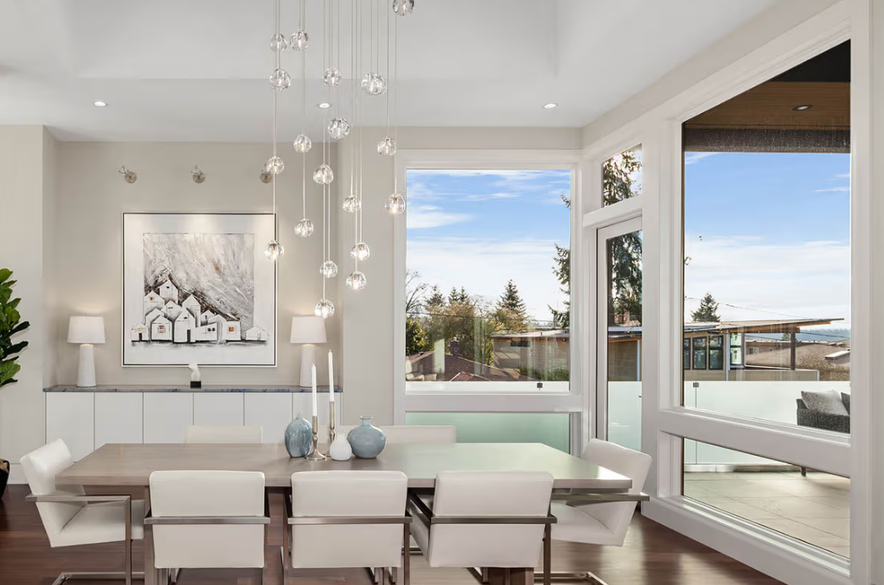
A window quotation can seem straightforward until two apparently similar options arrive with very different prices. Homeowners comparing double glazed windows in Glasgow will get far more value from the process by looking beyond the headline figure and checking exactly what each company has included. Frame construction, glass specification, installation standards and finishing work can all make a substantial difference to the final cost.
Check What the Frame Is Made From
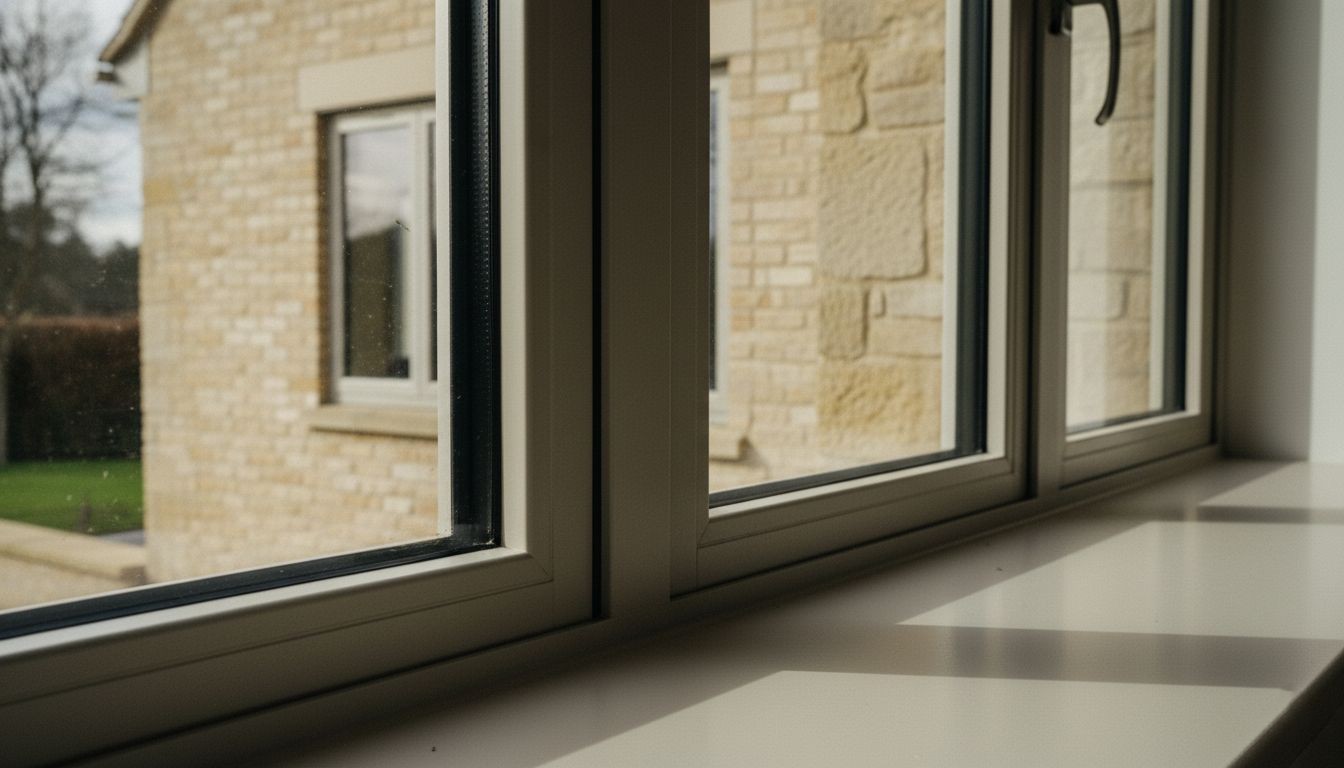
Windows described as uPVC are not necessarily identical. Frame depth, internal reinforcement, chamber design and overall build quality can vary between systems.
Multi-chambered frames are designed to reduce heat transfer through the profile. Reinforcement may also be added in certain sections to improve strength, particularly on larger windows or doors. These details are rarely obvious from a brochure photograph, but they influence durability and performance.
Colour can affect pricing too. Standard white frames are often less expensive than coloured, wood-effect or dual-colour finishes. A homeowner choosing one colour externally and another internally should confirm whether the quotation includes that exact specification.
The opening style matters as well. A fixed pane is generally simpler than a casement window with several opening sections. Tilt-and-turn mechanisms, decorative bars and unusual shapes add complexity, hardware and manufacturing time.
Compare the Glass Specification Properly
The phrase “double glazing” only confirms that two panes of glass are used. It does not explain their thickness, the gap between them, the gas filling or the type of coating applied.
Low-emissivity glass includes a coating intended to reflect heat back into the room. The sealed space between the panes may be filled with a gas such as argon to reduce heat transfer further. Warm-edge spacer bars can also help limit heat loss around the perimeter of the glazed unit.
Safety glass may be required in doors, low-level windows and other vulnerable positions. Laminated glass can provide additional security or noise reduction in suitable applications. Obscured glass is commonly selected for bathrooms, but different privacy patterns and levels are available.
A quote should make these choices clear. Comparing one figure for a standard unit with another for upgraded acoustic or security glass will not provide a fair picture of value.

Understand What Installation Includes
Some quotations cover only the supply of the windows. Others include removal of the existing units, installation, internal finishing, external sealing and disposal of waste.
Access can significantly affect the price. Upper-floor windows, restricted parking, conservatory roofs and narrow side passages may require additional equipment or labour. Older properties can also reveal damaged plaster, uneven openings or deteriorated timber once the original frames are removed.
Ask how internal reveals, window boards and decorative finishes will be handled. A window can be fitted securely and still leave the homeowner with plastering or redecorating work if those items were not included.
The proposed installation method deserves attention too. New units need appropriate fixing, insulation and weather sealing around the frame. Excessive reliance on surface sealant cannot compensate for poorly prepared openings or inadequate support.
Look Closely at Hardware and Security
Handles, hinges and locking systems experience repeated use, so their quality has a direct effect on how the windows feel over time.
A quotation should identify the locking arrangement and whether opening windows include suitable security features. Restrictors may be helpful in homes with children or where upper-floor windows create a fall risk. Easy-clean hinges can make external glass more accessible from inside, although they may not be appropriate for every opening.
Ventilation also needs to be considered. Trickle vents may form part of the proposed specification, depending on the property and the work being completed. Their position and appearance should be discussed before manufacturing rather than discovered on installation day.
Hardware colours should match the intended interior. White, chrome, black and other finishes can change the appearance of an otherwise similar window, especially when several rooms are being upgraded at once.
Judge the Whole-Life Value
The cheapest quotation is not always poor value, and the most expensive does not automatically guarantee better work. The useful comparison is whether each proposal covers the same materials, performance features and installation responsibilities.
Written specifications make this easier. Homeowners should know the window style, frame finish, glass type, hardware, ventilation details, finishing work and guarantee arrangements before agreeing to proceed.
Replacing windows is a long-term improvement rather than a routine purchase. Taking time to compare the full specification helps prevent unexpected costs and gives each quote a fair assessment based on what will actually be supplied and installed.